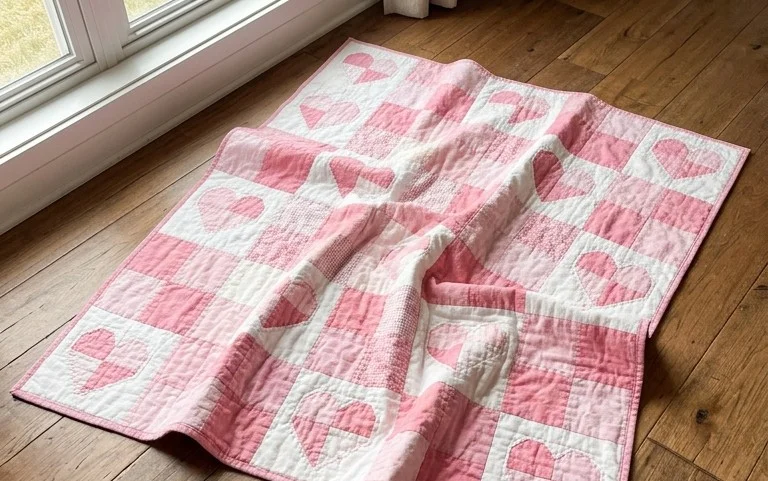
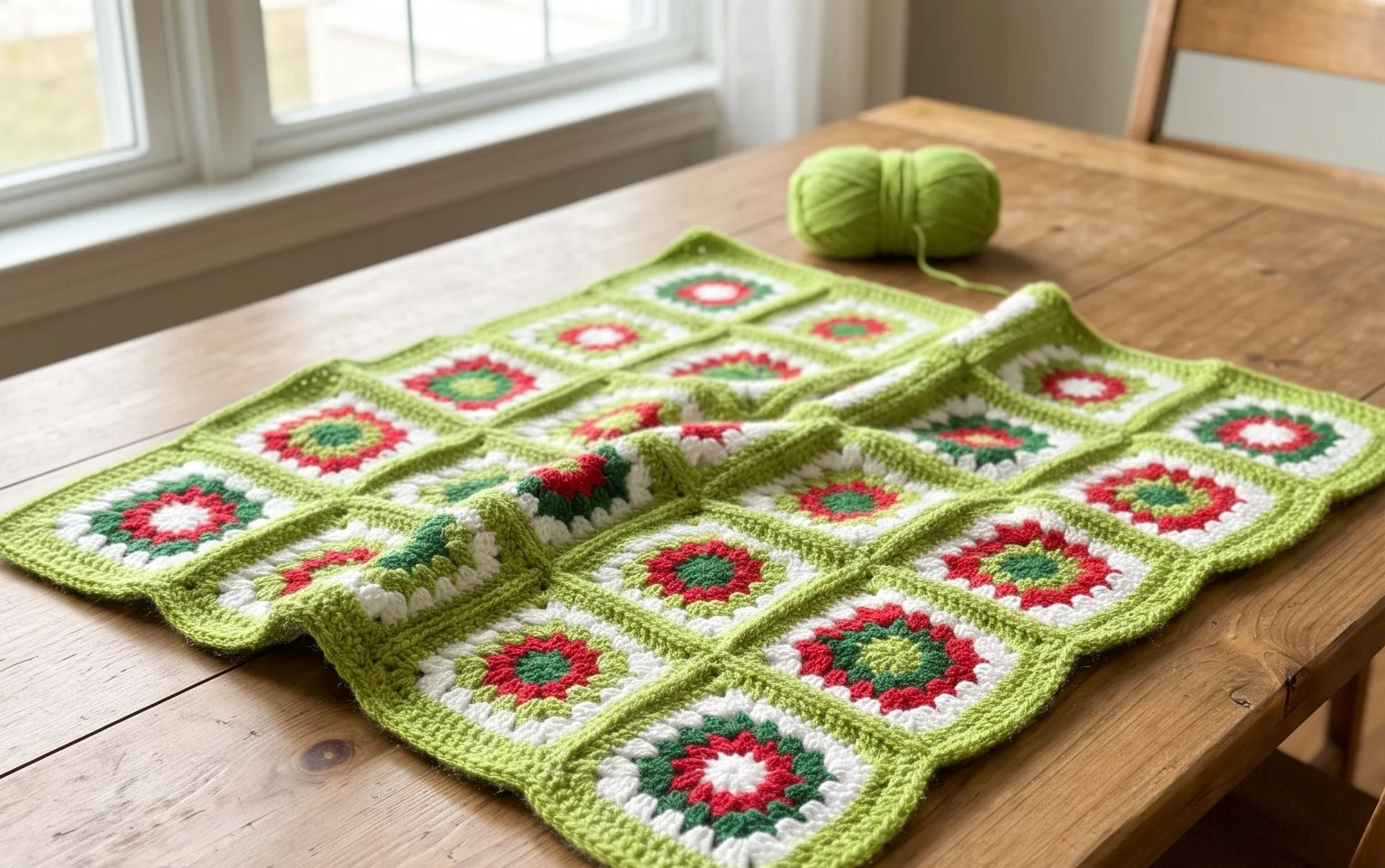
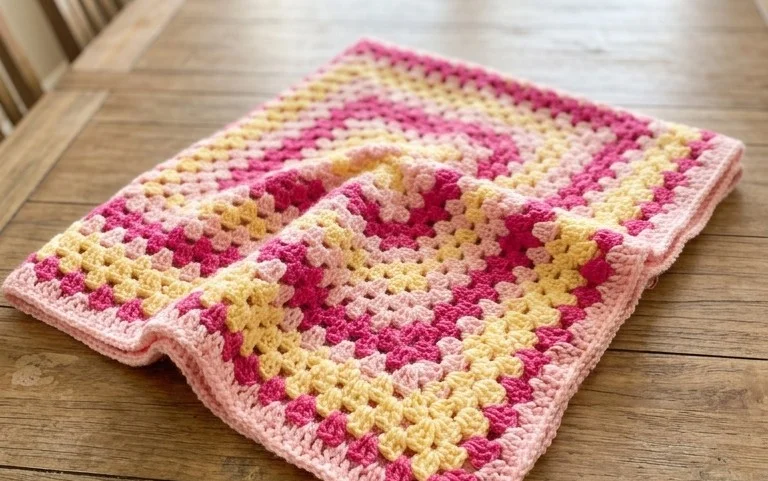
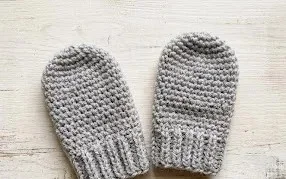
5 Free Hugs and Kisses Baby Blanket Patterns: Easy Guide
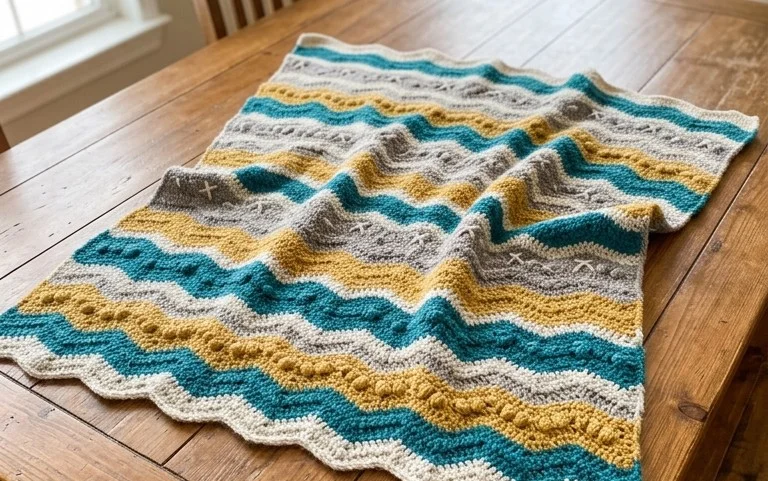
Soft cotton yarn creates a squishy, reversible fabric that feels just as good against a newborn’s cheek as it looks folded over the edge of a nursery crib. This classic motif uses simple crossed stitches to build a grid of subtle X and O patterns, providing enough visual interest to keep your hands busy during a long afternoon. Whether you are stitching a handmade gift for a friend or building your own collection of cozy nursery items, these hug and kiss textures are remarkably simple to learn and work up quickly in medium weight yarn.
Why You’ll Love This Pattern
This classic crochet dishcloth relies on the textured grit of the cotton yarn combined with a simple stitch repeat that makes it both functional and meditative. You only need to know how to create a foundation chain and perform basic single crochet stitches, allowing you to finish one in an evening while watching a show. Because it uses a durable plant fiber, it holds up to repeated scrubbing and can be tossed directly into the washing machine. It serves as a perfect introduction to working with cotton yarns, which provide a non-slip grip that makes maneuvering your hook easier for those new to the craft.
I managed to whip up a stack of these for my kitchen in just a few days. The stitch pattern is incredibly easy to memorize and the result is much sturdier than store-bought cloths.
— Sarah, home crafter
Pattern Overview & Skill Level
- Skill Level: Beginner
- Approximate Time: 1 hour per dishcloth
- Construction: Flat panel worked in rows
- Finished Dimensions: 8 inches by 8 inches
Materials & Supplies Needed
- Yarn: Worsted #4 weight, 100% cotton yarn, approximately 60 yards per dishcloth.
- Hook Size: 5.0 mm (US H-8)
- Notions: Tapestry needle for weaving in ends, scissors.
- Safe Yarn Substitutions: You can use a cotton-acrylic blend for a softer texture, though 100% cotton is superior for absorption. Note that synthetic blends may hold heat differently and will not scrub as effectively.
Stitch Guide & Abbreviations (US Terms)
- ch = chain
- sc = single crochet: insert hook into stitch, yarn over, pull up a loop, yarn over, pull through both loops on hook.
- st/sts = stitch/stitches
- turn = turn your work to begin the next row.
Step-by-Step Pattern Instructions
The dishcloth is worked in a flat square starting from the bottom edge. Maintain consistent tension throughout to ensure the finished piece stays square rather than trapezoidal.
Main Body
- Foundation: Ch 31.
- Row 1: Sc in the second ch from hook and in each ch across. (30 sts)
- Row 2: Ch 1, turn. Sc in each st across. (30 sts)
- Rows 3–30: Repeat Row 2 until the piece measures approximately 8 inches in height. (30 sts)
Finishing
Once you reach the desired length, fasten off your yarn, leaving a 6-inch tail. Thread this tail onto a tapestry needle and weave it securely through the base of the final row to lock the stitch. Trim any excess yarn flush with the fabric surface to prevent fraying during use.
Care & Washing Instructions
- Machine wash in warm water on a gentle cycle to remove oils and dirt.
- Tumble dry on low heat or lay flat on a clean towel to retain shape.
- If the cloth loses its square shape after drying, dampen it slightly and pull the corners gently into alignment.
Pro Tips & Common Mistakes to Avoid
Achieving a uniform tension is vital for dishcloths, as tight stitches create a stiff fabric that is difficult to use, while loose stitches result in gaps. If you find your edges are becoming uneven, count your stitches at the end of every row to ensure you have exactly 30. Using a stitch marker in the first stitch of each row helps prevent accidental decreases at the edges. If you wish to make the cloth larger, simply increase your starting chain to an odd number and add more rows, but keep in mind that you will need more than one skein of standard 50-gram cotton yarn.
Frequently Asked Questions
Can I use a different weight of yarn for this pattern?
You can use DK or bulky weight yarn, but you will need to adjust your starting chain and row count. A lighter weight yarn will require more stitches to reach the 8-inch width, while a heavier yarn will require fewer.
Is this pattern suitable for complete beginners?
Yes, this is an ideal first project. It focuses exclusively on the single crochet stitch, allowing you to practice maintaining even tension without the complexity of color changes or shaping.
Am I allowed to sell the dishcloths I make from this pattern?
You are welcome to sell finished items made from this pattern, provided you credit the design. Please do not sell or redistribute the written instructions themselves.
Why does my dishcloth have holes in the corners?
This usually happens if the turning chain is pulled too tightly or if the first stitch of the row is skipped. Ensure you work the first single crochet into the very first stitch of the previous row rather than the space created by the turning chain.
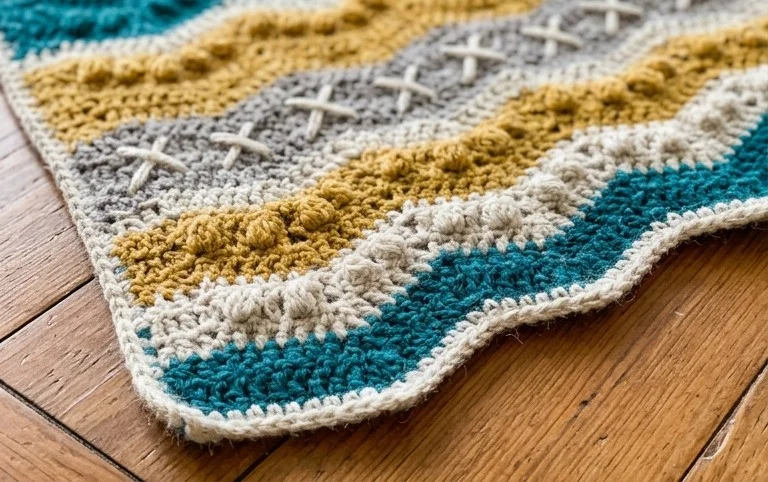
A finished blanket brings a warm sense of accomplishment when you tuck that final tail of yarn into the border. You might try alternating colors every two rows for a bold striped effect or stick with a single soft pastel shade for a timeless look. Sharing a photo of your completed work online connects you with other makers who enjoy these same classic stitch combinations. Feel free to browse through the rest of the blog for more patterns that use basic crochet stitches to create beautiful textures.