Easy Everyday Maxi Skirt Sewing Tutorial for Beginners
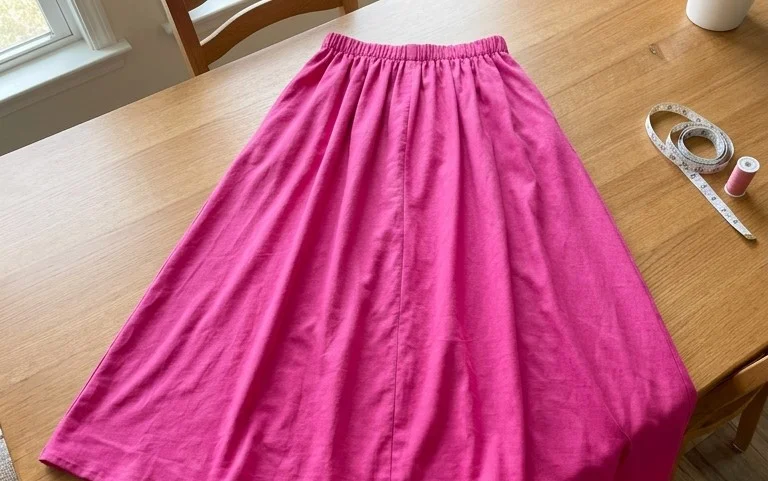
A soft, swishy maxi skirt made from breathable cotton is comfortable enough for errands and easy to dress up with a simple top. This version has a relaxed shape and a gathered waist, with the finished length adjusted to suit your height and shoes. Beginner sewists can follow the straightforward construction, while gift makers can choose a fabric that fits someone’s style. It also suits home décor lovers who enjoy making useful things by hand and want to try a wearable project. You’ll learn how to measure and cut the fabric, sew straight seams, finish the edges, and make a comfortable elastic waistband. The gathering adds gentle fullness without complicated pattern pieces, so you can focus on neat stitching and a fit that feels good through the day.
Why You’ll Love This Pattern
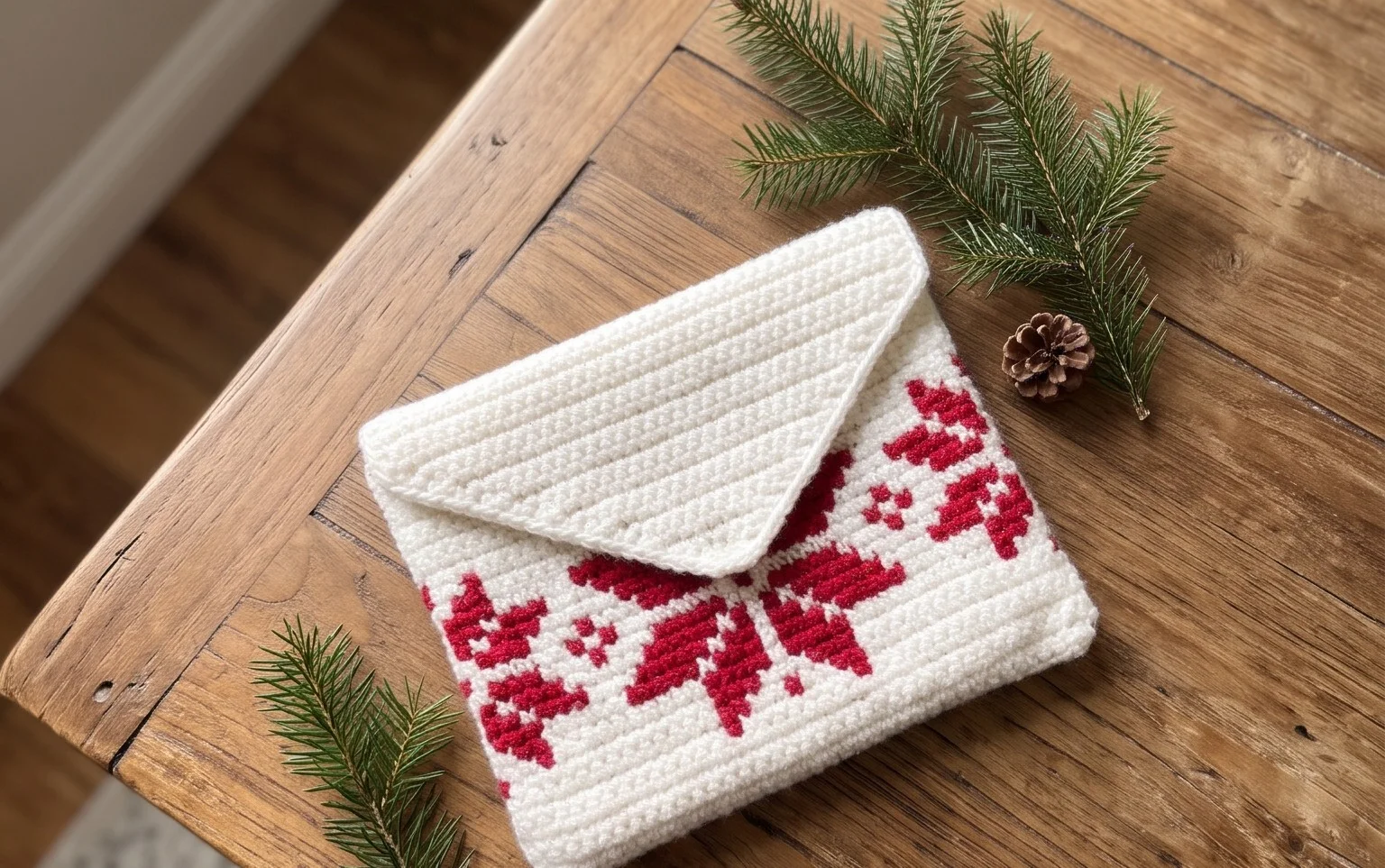
A firm cotton fabric and simple single crochet make this dishcloth useful for everyday washing and quick to finish. The pattern uses one stitch throughout, so you can focus on keeping the edges straight rather than learning a complicated repeat. A single skein or leftover cotton yarn is enough, and the finished square is easy to fold beside a sink or pack into a small gift set.
The small size also makes this a handy practice piece for checking tension. If you are new to crochet, you can see how your stitches look after each row and undo a few without losing much time. Wash the cloth before its first use to soften the cotton and remove any loose fibers.
The rows were easy to follow, and I liked having a useful project to practice keeping my edges even.
— Jo, illustrative maker note
Pattern Overview & Skill Level
- Skill Level: Beginner. You need to chain and single crochet in rows.
- Approximate Time: About 2–3 hours, depending on your pace and how often you pause to count.
- Construction: A flat square worked back and forth in single crochet, with no border or seaming.
- Finished Dimensions & Sizing: About 6.5 × 6.5 inches (16.5 × 16.5 cm) at a gauge of 18 single crochet stitches and 18 rows per 4 inches (10 cm). Cotton and individual tension can change the final size.
Materials & Supplies Needed
- Yarn: About 70–85 yards (64–78 m) of worsted-weight cotton yarn, category #4. Choose one color, or use a small amount of a second color for the last few rows.
- Hook: 5.0 mm / H-8 crochet hook. Use the hook that gives you a firm, even fabric without making your hands uncomfortable.
- Notions: Tapestry needle for weaving in the starting and ending tails, scissors, and a ruler or measuring tape for checking gauge.
- Substitutions: Cotton-acrylic blend can work, though it may absorb water differently and feel less crisp. Avoid wool for a frequently washed dishcloth because it can felt. A different yarn weight changes the finished size and yardage; make a gauge swatch and choose a hook that gives a dense fabric.
For gauge, crochet a small square and measure the center, away from the edges. If you have more than 18 stitches across 4 inches, try a larger hook; if you have fewer, try a smaller one. A firm fabric helps the cloth hold up during washing.
Stitch Guide & Abbreviations (US Terms)
- ch: Chain.
- sc: Single crochet. Insert the hook into the stitch, yarn over and pull up a loop, yarn over again and draw through both loops.
- st / sts: Stitch / stitches.
- turn: Rotate the work so you can crochet back across the row.
- sp: Space. In this pattern, it refers to a gap between stitches, though no chain spaces are made.
The turning chain at the start of each row does not count as a stitch. Work the first single crochet into the first stitch of the row, not into the turning chain.
Step-by-Step Pattern Instructions
Dishcloth
- Foundation: Make a slip knot and chain 31. Keep the chain relaxed enough to insert your hook easily.
- Row 1: Single crochet in the second chain from the hook and in each chain across. Turn. (30 sts)
- Rows 2–30: Chain 1, then single crochet in each stitch across. Turn. Repeat this row through Row 30. (30 sts each row)
After Row 30, fasten off, leaving a tail of about 6 inches (15 cm). Pull the yarn through the final loop to secure it. Thread the tail onto a tapestry needle and weave it through several stitches on the wrong side. Change direction once before trimming the excess so the end is less likely to work loose. Weave in the foundation tail the same way.
Lay the cloth flat and check that the corners are square. If the edges curl slightly, dampen the fabric and smooth it into shape; cotton often relaxes after washing. This pattern has no added border, so take care not to pull the last stitch of each row tighter than the others.
Care & Washing Instructions
- Wash cotton in warm water, up to 40°C (104°F), with similar colors; follow the yarn label if it gives different directions.
- Air-dry flat when possible, or tumble-dry on low if the yarn label allows it.
- While damp, smooth the cloth back to a square and let it dry flat; avoid stretching the corners.
Pro Tips & Common Mistakes to Avoid
- Keep the tension even: Make the foundation chain a little looser than your usual stitches. A tight chain can pull the lower edge inward, so use a larger hook just for the chain if needed.
- Count each row: Check for 30 stitches before turning. Place a stitch marker in the first stitch if you tend to miss the final stitch near the edge.
- Hide the tails securely: Weave each end through the backs of several stitches, then change direction. Avoid leaving a long float on the surface, where it can catch during use.
- Adjust size with care: For a wider cloth, add chains to the foundation; for extra length, work more rows. Each added stitch or row uses more yarn, so keep a reserve and measure as you go.
Frequently Asked Questions
Can I use acrylic yarn instead of cotton?
You can, but acrylic usually absorbs less water than cotton and may feel warmer or softer. For a cloth used to wipe dishes, cotton or a cotton-rich blend is generally a more practical choice. Check the yarn label for washing instructions.
How can I make the dishcloth larger or smaller?
Change the starting chain to adjust the width, keeping one fewer single crochet than the number of chains. Add or remove rows to adjust the length. A larger cloth needs more yarn, and a different hook or yarn weight can also change the finished measurements.
Is this pattern suitable for a first crochet project?
Yes. It uses chains and single crochet in straight rows, with no shaping or joining. Count the stitches in every row at first, because missing the last stitch can make the cloth narrower as you work.
May I sell dishcloths made from this pattern?
Check the designer’s terms before selling finished items, and follow any rules stated with the pattern. If you are selling at a market, also include accurate fiber and care information for the yarn you used.
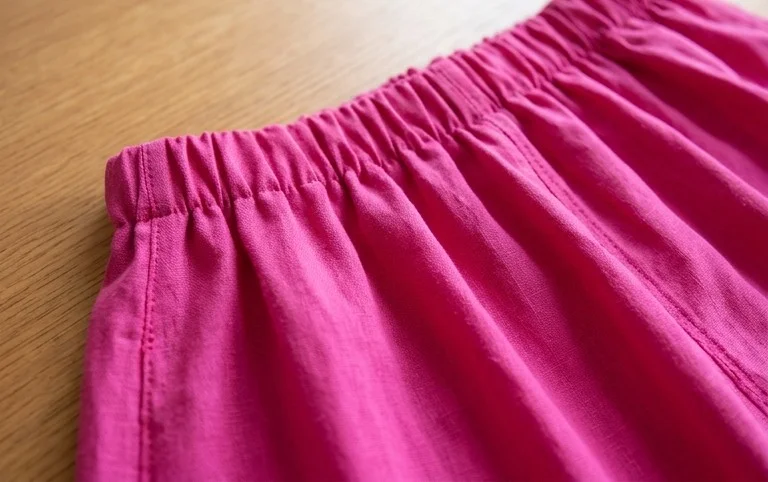
Your finished skirt has an easy, flowing shape that feels comfortable through a busy day and is satisfying to wear because you made it yourself. For a simple variation, choose a small floral print or a solid cotton in a color you reach for often. Before wearing it out, try the skirt on with the shoes you plan to pair with it and adjust the hem if needed. Share a photo of your finished make on Pinterest or your favorite social media platform; seeing different fabrics and lengths is always helpful to other sewists. When you’re ready for another project, explore more free patterns and sewing tutorials on the blog for practical pieces to make at home.