Free Bauble Slouch Hat Crochet Pattern for Beginners
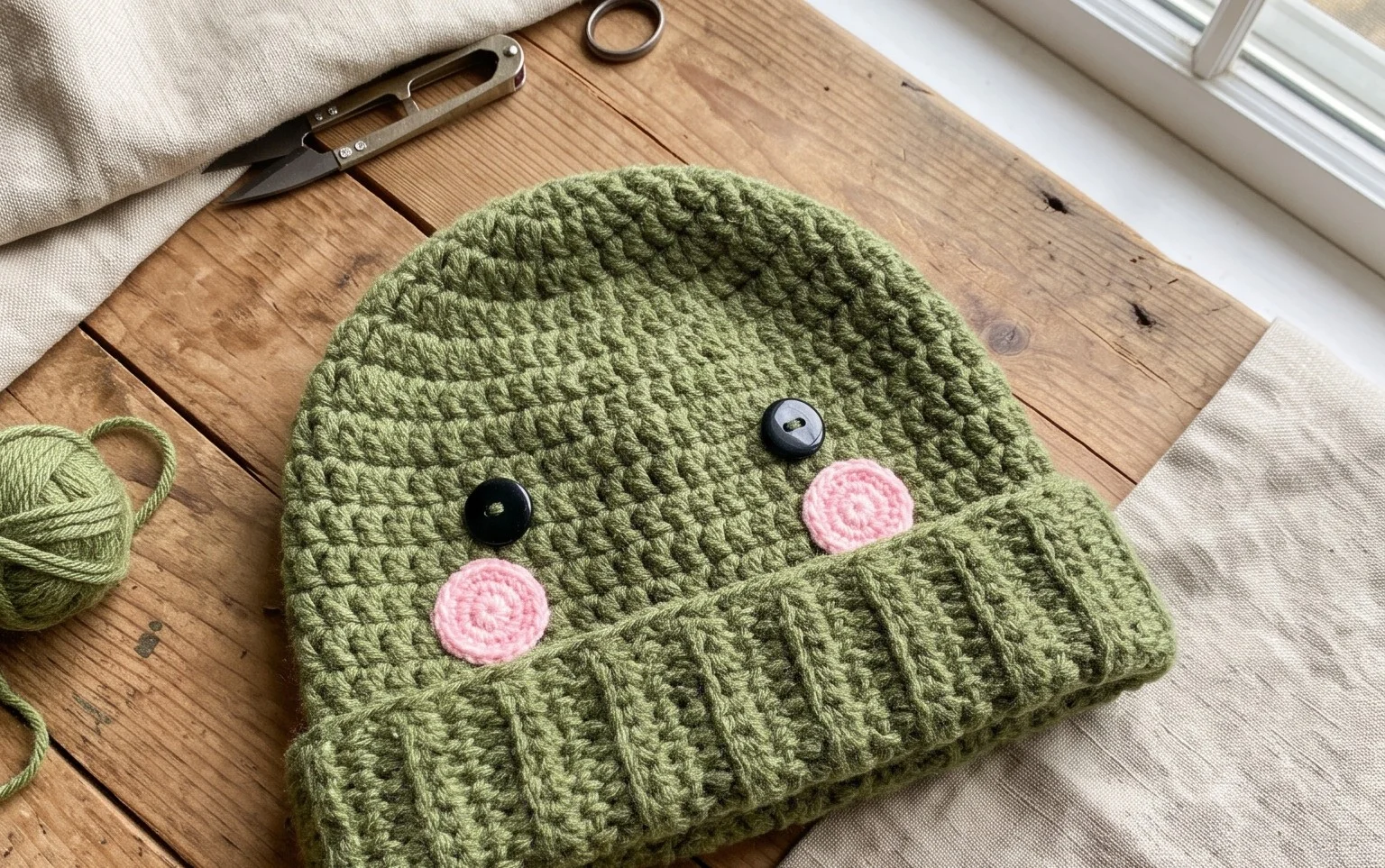
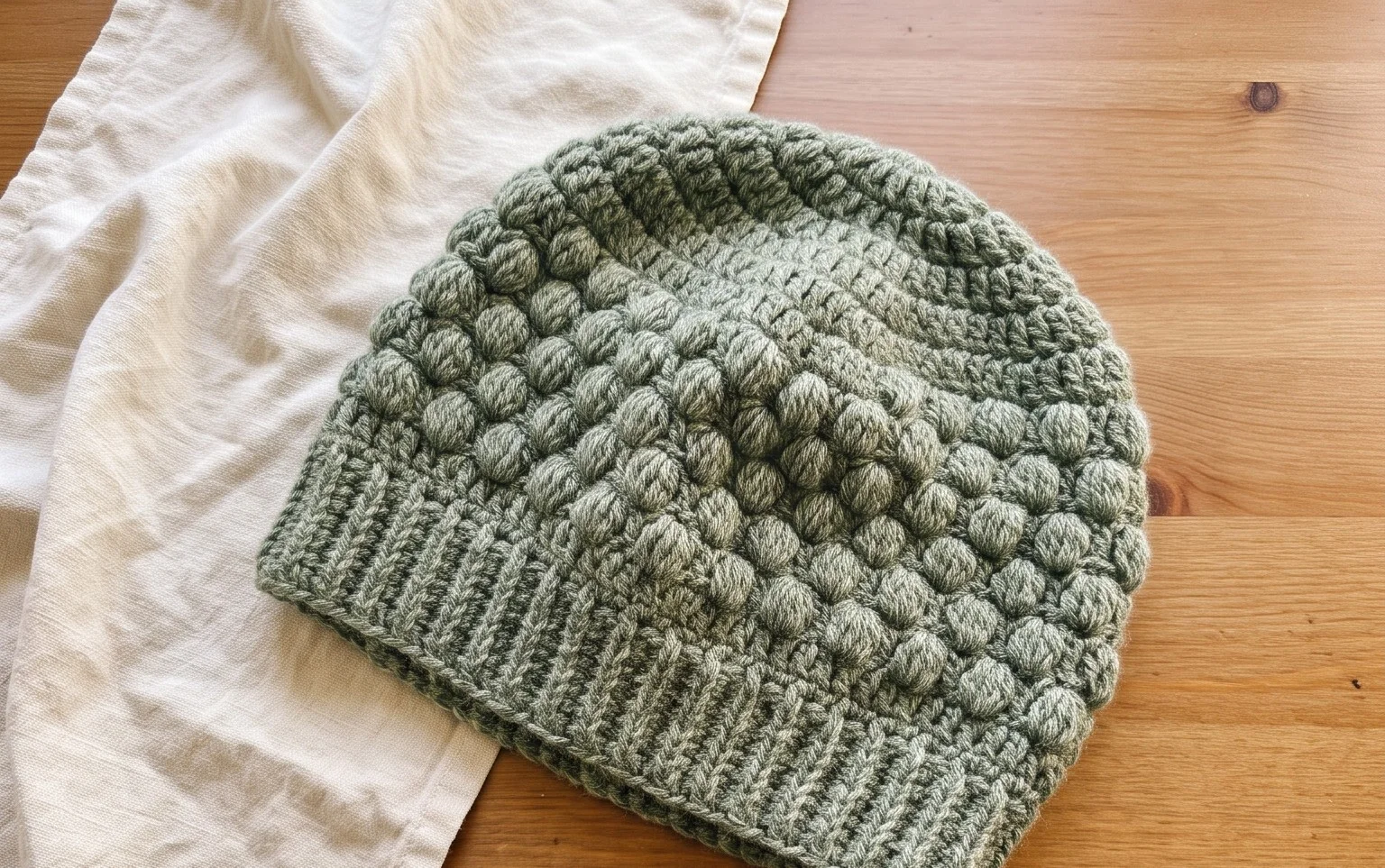
The raised bauble stitches give this slouchy hat a pebbled texture, while the relaxed shape leaves room at the crown for a comfortable, casual fit. It is a satisfying project for crocheters who want to practise textured stitches and make something they can wear as soon as the last end is woven in. Beginners can take their time with the stitch pattern, and gift makers can choose a color that suits the recipient’s winter wardrobe. If you also crochet for home decor, the bauble texture is a fun detail to try again on a cushion or cozy. As you work, you’ll learn how the textured stitch is formed and how the hat’s shape comes together. The repeat gives your hands a steady rhythm, and the finished fabric has enough character to look lovely in a single shade.
Why You’ll Love This Pattern
A firm square of cotton single crochet makes a useful dishcloth for everyday kitchen jobs. This beginner-friendly pattern uses one stitch throughout, so you can focus on keeping the edges straight and the fabric even. The simple shape is easy to pick up between other projects, and one cloth takes about 2–3 hours depending on your pace.
The plain fabric is absorbent and sturdy, and the pattern is easy to remember after the first few rows. It also works well for using up leftover cotton, as long as you have enough yarn to finish the square. This is an illustrative sample review, not a quotation from a verified customer.
I liked having a simple project I could work on while watching a show. I counted at the end of each row, and the square came out neat and useful.
— Example maker review
Pattern Overview & Skill Level
- Skill Level: Beginner. You need to know how to chain and make a single crochet stitch.
- Approximate Time: 2–3 hours, depending on your speed and how often you stop to count.
- Construction: A flat square worked back and forth in rows, with no joining or seaming.
- Finished Dimensions & Sizing: About 8 × 8 inches (20 × 20 cm) after washing and drying, using the stated gauge. Small differences in tension may change the final size.
Materials & Supplies Needed
- Yarn: About 75–90 yards (69–82 m) of worsted-weight (#4) 100% cotton yarn. One solid color is simplest for counting; a color-changing cotton can also be used.
- Hook Size: 5.0 mm / H-8 crochet hook. Change hook size if needed to match gauge.
- Notions: Tapestry needle for weaving in the tail, scissors, and a ruler or tape measure. A removable stitch marker is optional for marking the first stitch of a row.
- Substitutions: Choose another smooth, washable cotton yarn of a similar thickness. Cotton-linen blends can feel a little firmer, while cotton-acrylic blends may feel softer and less absorbent. A different yarn weight or fiber can change the size and texture, so check your gauge and expect to adjust yardage.
Gauge: 15 single crochet stitches and 16 rows measure 4 × 4 inches (10 × 10 cm) when worked flat and measured without stretching. Make a small swatch if you want the cloth close to the stated size. If you have more stitches in 4 inches, try a larger hook; if you have fewer, try a smaller one.
Stitch Guide & Abbreviations (US Terms)
- ch: Chain.
- sc: Single crochet. Insert the hook into the stitch, yarn over and pull up a loop, yarn over again, then pull through both loops on the hook.
- st: Stitch.
- sts: Stitches.
- rep: Repeat.
The turning chain at the start of each row does not count as a stitch. Work the first single crochet into the first stitch, directly below the turning chain. This keeps the stitch count consistent and helps prevent the sides from slanting.
Step-by-Step Pattern Instructions
Dishcloth
Use the 5.0 mm hook and worsted-weight cotton. Keep your turning chains loose enough to turn comfortably, but do not count them as stitches. Count the top loops across each row before turning.
- Foundation: Ch 31. Keep the chain relaxed rather than pulling it tight.
- Row 1: Sc in the second ch from the hook and in each ch across. Turn. (30 sts)
- Row 2: Ch 1, sc in each st across, including the last stitch. Turn. (30 sts)
- Rows 3–32: Rep Row 2 for 30 rows. Each row has 30 sc. (30 sts per row)
After Row 32, check that the cloth measures about 8 inches from top to bottom and side to side. If it is noticeably taller or shorter, your row gauge may differ; the finished cloth is still usable, but the dimensions will change. Fasten off, leaving a tail of about 6 inches (15 cm). Pull the tail through the final loop.
Finishing
Thread the tail onto a tapestry needle. Weave it through several stitches on the wrong side, change direction, and weave through a few more stitches so it is less likely to work loose during washing. Weave in the starting tail in the same way. Wash and dry the cloth according to the yarn label, then lay it flat and gently square the corners.
Care & Washing Instructions
- Wash cotton in cool or warm water, up to about 30°C (86°F), using a regular or gentle cycle and mild detergent.
- Dry flat when practical, or tumble dry on low if the yarn label allows it; high heat can cause cotton to shrink.
- While damp, smooth the edges and corners back into a square. Follow the yarn label if you are using a blend or a different fiber.
Pro Tips & Common Mistakes to Avoid
- Keep your tension steady, especially along the foundation chain. A tight chain can make the bottom edge narrower than the rest of the cloth; use a slightly larger hook just for the chain if needed.
- Count 30 stitches at the end of every row. A removable marker in the first stitch can help you spot the edge stitch, where beginners often skip or add a stitch.
- Weave in each end by passing the needle through the backs of several stitches, then changing direction. Avoid pulling the tail tight, which can pucker the fabric.
- To make a larger cloth, add chains in an odd number and work more rows to match its width. Every extra stitch and row uses more yarn, so allow additional yardage and check that the sides stay square.
Frequently Asked Questions
Can I use acrylic yarn instead of cotton?
You can, but acrylic is usually less absorbent and may not scrub or dry like cotton. Choose a washable yarn and check its label; the finished texture and size may differ from this pattern.
How can I make the dishcloth smaller or larger?
For a narrower cloth, start with fewer chains while keeping the foundation chain odd, then work the same number of rows as stitches for a roughly square shape. For a larger cloth, add chains and rows. Recheck the measurements as you work, and plan for extra yarn.
Is this pattern suitable for a first crochet project?
Yes. It uses chains and single crochet, with no color changes, shaping, or joining. Work slowly through the first row and count each row to keep both edges straight.
May I sell dishcloths made from this pattern?
Check the pattern designer’s stated terms before selling finished items, and follow any limits on sales or credit. If you publish a listing, describe the item accurately and do not claim authorship of someone else’s pattern.
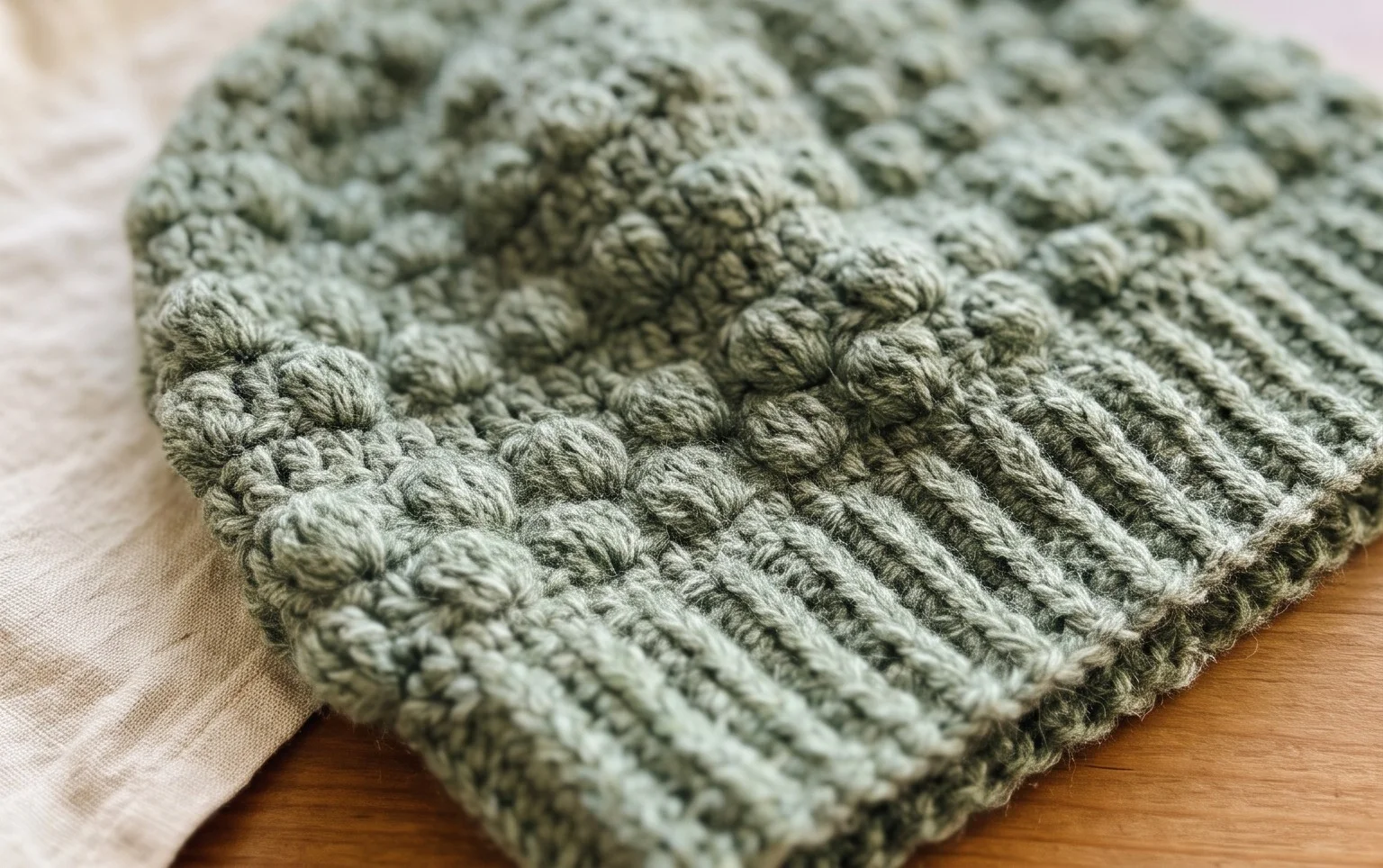
Once the final round is finished and the ends are tucked away, you’ll have a slouchy hat with a lively, bobbled surface and a relaxed shape for cool days. For a simple variation, work the hat in a soft heathered yarn or choose a deeper shade for a more understated texture. Check the fit as you go, since yarn thickness and personal tension can affect how much slouch the finished piece has. If you make one, share a photo on Pinterest or your favorite social media platform so other crocheters can see your color choice and finished texture. Then browse the blog for more free crochet patterns, including projects for your next cozy weekend or handmade gift.