Autumn Twist Ear Warmer Free Crochet Pattern: Easy Guide
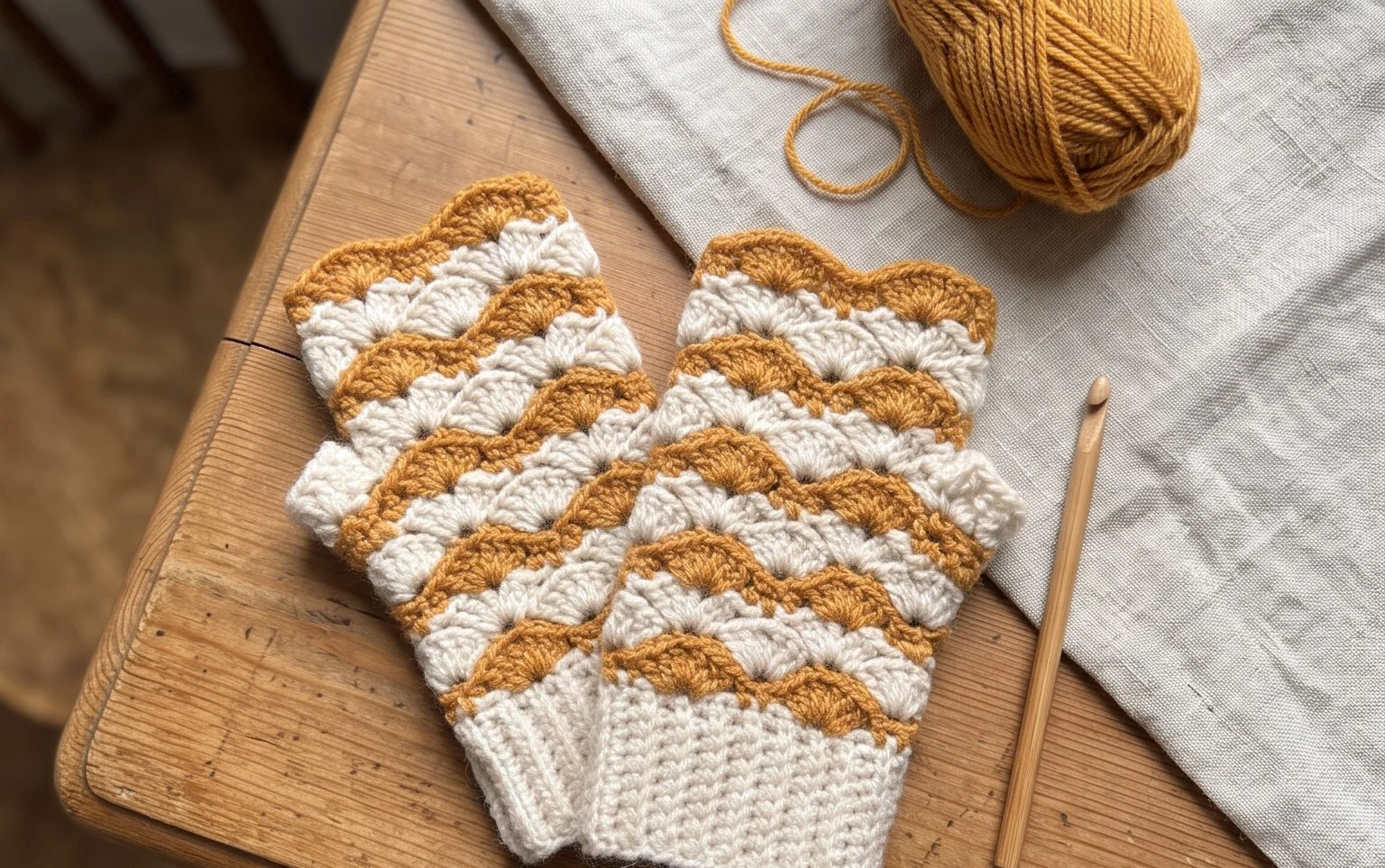
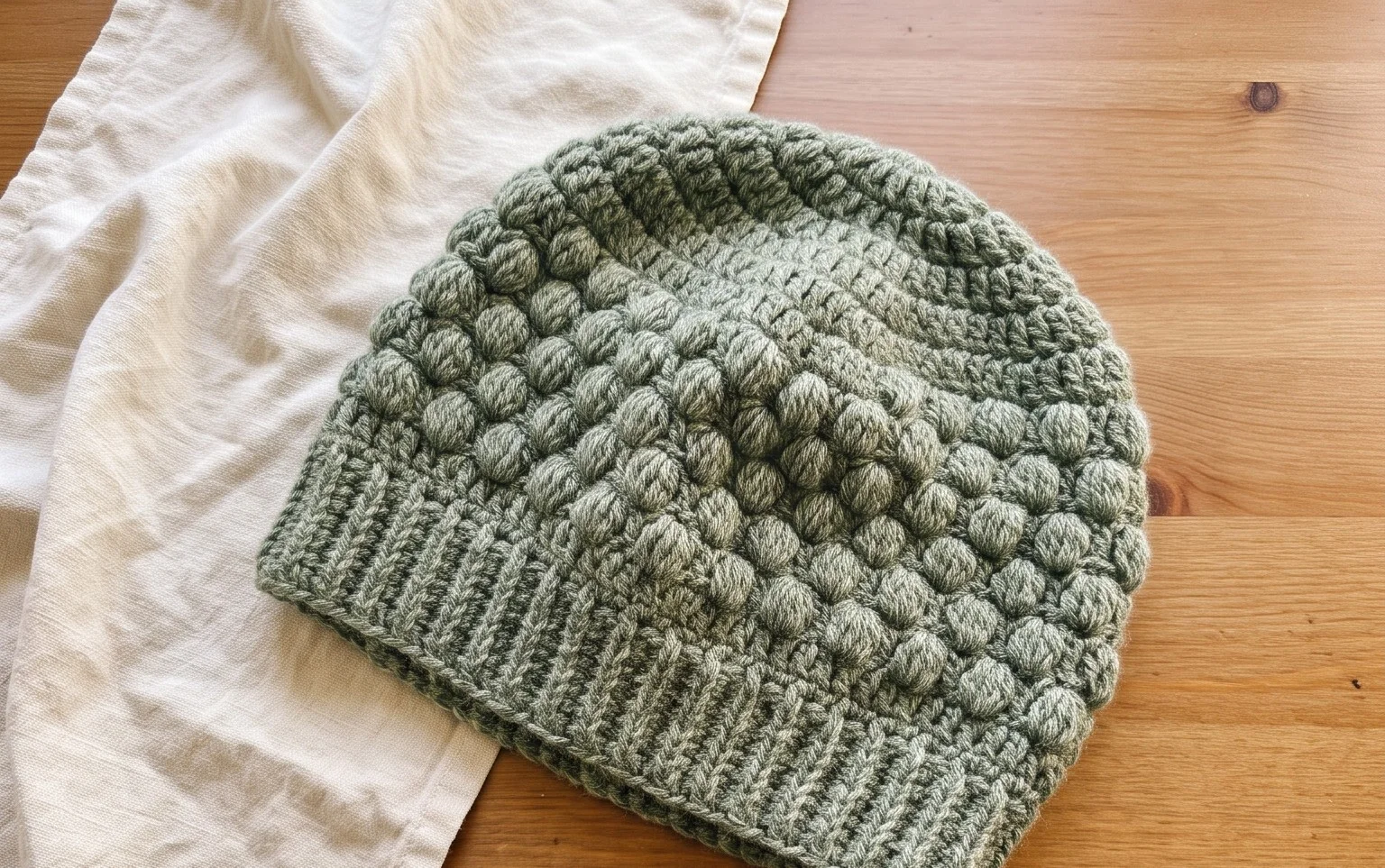
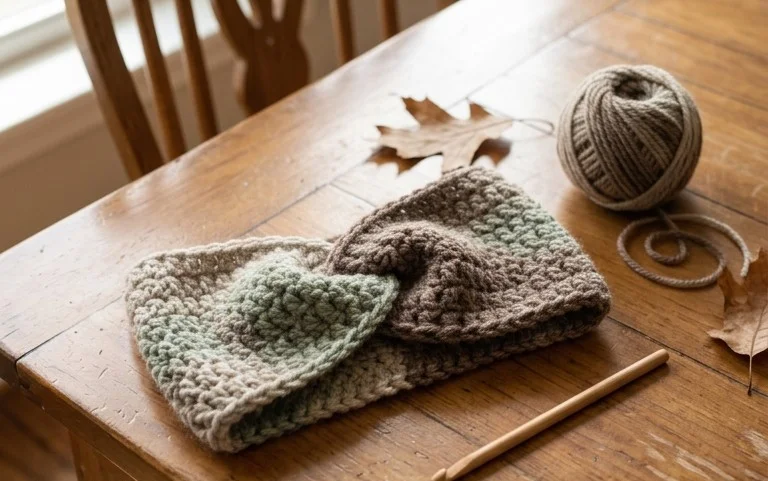
This accessory features a soft, squishy texture that protects your ears against brisk winds while you walk outdoors. It consists of a simple yet elegant twisted design that sits flat against the forehead, making it a functional choice for chilly morning commutes or autumn hikes. Beginners often appreciate how quickly this item comes together during a single evening on the couch. You will use a clever fold technique to create the signature gathered look, which adds a professional finish to your handmade gear. Anyone can customize this project with their favorite seasonal color palettes to suit any cold-weather outfit.
Why You’ll Love This Pattern
This classic crochet dishcloth relies on the textured grit of the thermal stitch, making it exceptionally effective for scrubbing surfaces. Because it is worked in a dense, double-thick fabric, it maintains its shape even after heavy use and repeated washings. You will find this pattern a relaxing way to practice counting rows while creating a durable household staple that lasts significantly longer than mass-produced synthetic sponges. It is an ideal project for using up partial skeins of cotton yarn from your stash.
I finally found a dishcloth pattern that does not stretch out of shape after one week of scrubbing pans. The thermal stitch creates a heavy, professional-grade fabric that feels substantial in my hand.
— Sarah, home crafter
Pattern Overview & Skill Level
- Skill Level: Intermediate
- Approximate Time: 2 to 3 hours
- Construction: Worked in flat rows using the thermal stitch method, which creates a folded double-layer fabric as you work.
- Finished Dimensions: 7 inches by 7 inches
Materials & Supplies Needed
- Yarn: Worsted weight (#4) 100% cotton yarn, approximately 120 yards.
- Hook Size: 5.0 mm (H-8) crochet hook.
- Notions: Tapestry needle for weaving in ends, scissors, and one stitch marker.
- Safe Yarn Substitutions: Use any 100% cotton yarn of the same weight. Avoid acrylic or wool blends for this project, as they lack the absorbency and heat resistance required for a functional kitchen dishcloth. Substituting with a lighter weight yarn will result in a smaller cloth and requires a hook size adjustment to maintain density.
Stitch Guide & Abbreviations (US Terms)
- ch: Chain
- st(s): Stitch(es)
- sc: Single crochet
- blo: Back loop only
- ht-blo: Horizontal bar of the stitch in the back loop only (The thermal stitch is worked into the back loop of the current row and the exposed horizontal loop of the row below).
Step-by-Step Pattern Instructions
Foundation and Setup
The thermal stitch is worked by inserting the hook through the back loop of the current stitch and the remaining front loop of the stitch from the row below. This creates a thick, double-layered fabric.
- Row 1: Ch 26. Sc in the second ch from hook and in each ch across. Turn. (25 sts)
- Row 2: Ch 1. Sc in the front loop only of the first st. Sc in the blo of the current st and the unworked loop of the st from the row below across. Sc in both loops of the last st. Turn. (25 sts)
Main Body
Repeat Row 2 until the piece measures 7 inches square. It is important to keep your tension consistent throughout these rows to ensure the double-layer fabric remains uniform.
- Row 3: Repeat Row 2 instructions. (25 sts)
- Row 4 through Row 35: Continue repeating Row 2. Check your dimensions every few rows to ensure the square shape is maintained. (25 sts)
Finishing
Once you reach the desired length, fasten off the yarn, leaving a 6-inch tail. Use a tapestry needle to weave the end securely into the thick center of the fabric. Trim any excess yarn flush with the surface.
Care & Washing Instructions
- Machine wash your cotton dishcloth in warm water with like colors.
- Tumble dry on a low setting or lay the cloth flat on a clean towel to air dry completely.
- If the cloth becomes misshapen after drying, simply dampen it with a spray bottle and pull the edges into a square shape, then let it dry on a flat surface.
Pro Tips & Common Mistakes to Avoid
- Tension is the most important factor in the thermal stitch. If your stitches are too loose, the fabric will appear holey rather than dense. Use a hook size one step smaller than the label suggests if you find your fabric is too airy.
- Use a stitch marker on the first stitch of every row. Because this stitch pattern is quite thick, it can be difficult to identify the first and last stitches, and missing them will cause the sides of your cloth to taper inward.
- Weave in your ends by traveling through the interior of the fabric layers rather than along the edges. This hides the tail completely and prevents it from unraveling during scrubbing.
- To adjust the size, simply increase or decrease your starting chain length by an odd number. Keep in mind that a larger cloth will require significantly more yarn, so ensure you have enough yardage before starting.
Frequently Asked Questions
Can I use a different yarn weight for this pattern?
You can use a different weight, but it will significantly change the texture and functionality. A thinner yarn will result in a flimsy cloth, while a thicker yarn will make the thermal stitch very difficult to work and extremely stiff.
Why does my dishcloth look like a trapezoid?
This usually happens when you accidentally add or drop stitches at the start or end of the row. Always count your stitches at the end of every row to ensure you have exactly 25.
Is this pattern suitable for someone who only knows the basics?
If you are comfortable with single crochet and can identify the loops of a stitch, you can manage this pattern. The main challenge is learning how to insert your hook into the row below, which takes a few rows to master.
May I sell the items I make from this pattern?
Please check the original source terms for this pattern regarding commercial use. Most designers allow for small-scale sales if you credit them, but you should always verify the specific policy provided with the pattern documentation.
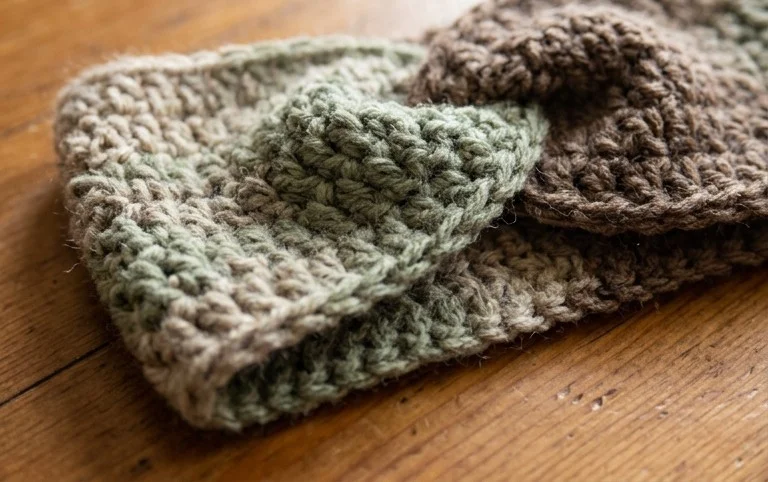
Your new ear warmer provides a cozy layer of warmth during those first frosty days of the season. You might experiment with a variegated wool blend to see how the color shifts move across the stitches, or simply stick to a solid neutral like charcoal or cream for a timeless look. Sharing a photo of your finished work helps others see how different textures change the final result, so tag your images online if you post them. Our blog has many more free patterns to explore if you want to keep your hooks moving through the winter months.